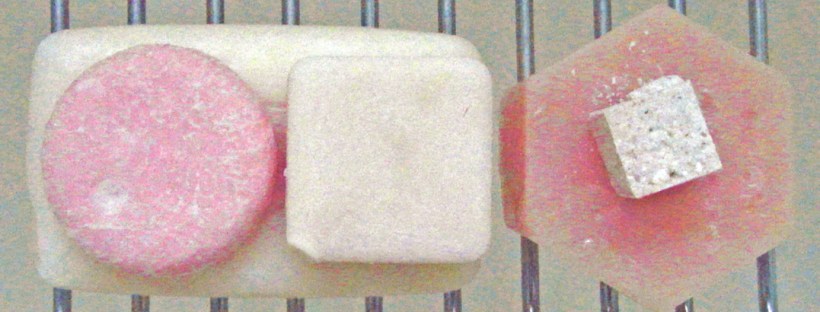
Since I have been trying to ditch single-use plastic in the bathroom, I have been doing a bit of research on soap. I am getting on much better than I expected with these various bars and colourful lumps of solidified, saponified oils.
So I started thinking about why I wasn’t using them before. Apart from the fact that just because I was recycling, I wasn’t really thinking about the myriads of plastic bottles I was using, I never properly considered using soap. I always reached for the liquid shower gel, hand soap or face cleanser when shopping.
And I realised that I grew up surrounded by misconceptions about soap. Here are a few of the myths that I believed without ever properly looking into them:
1- Soap dries up your skin: Of course there are always cheap things made of cheap ingredients, but good quality soaps are full of oils (coconut, olive, palm, cocoa or shea butters etc) and are actually quite good for the skin. They clean your skin and hydrate at the same time.
2- Soap doesn’t lather well: it depends on what’s in them. If they contain SLS like most bottled soaps, they will lather the same. However, SLS being not too good for you, I would rather have a bit less lather and a bit less chemicals.
3- You can’t use soap on your face: I wouldn’t use a cheap soap on my face but… nor would I use one on my body. Good quality soaps are formulated to be gentle and hydrating and the ones made for the face have ingredients that can target specific problems, such as acne, dry skin or aging skin.
4- You can’t use soap on your hair: I wouldn’t use a body soap on my hair but shampoo bars are great. And in the end “shampoo bar” is just another way to say “hair soap”. I was extremely dubious about them before I tried one but I am now converted. Again, they can target oily hair, dry or curly hair. I even have a purple one that brightens up highlights.
5- Soap is unhygienic: apparently, while we pour shower gel in our hands, we are more likely to lather a soap straight on the skin. This raises concerns about hygiene. I can see how it would. I wouldn’t rub a soap all over my body if some strangers have used it before me. But all you have to do is rinse the soap before using it and you’re down to the next layer… all clean. Also, this would apply to a very limited number of situations. I don’t share my bathroom with that many people and whenever I go away, I take my washbag with me.
6- Anti-bacterial soaps are better than normal soaps: there is no evidence that they are. Anti-bacterial anything are a bit of a hoax. They only kill a portion of bacteria and leave the most potent ones behind. They also contribute to the creation of superbugs that have been trained to resist them and then move on to resist antibiotics when you really need them. The other thing that some people forget is that not all bacteria are bad. Anti-bacterial products don’t have a list of which ones to slay and which ones to spare… they kill the good ones as well as some bad ones.
7- Soaps are less convenient than bottled products: this was one where I was equally entirely convinced and completely mistaken. I thought that bottles were so easy for the gym and for holidays… But now that I am carrying my little soaps in tins in my washbag, I find them more convenient and less heavy than bottles. They are also better for traveling as some airlines have a thing against bottles. The one thing I have to remember is opening my washbag and airing the soaps after I come back from the gym, so they don’t go soft. But I had to do that with my washbag anyway so the fabric wouldn’t go mouldy from the splashy shower.
8- Soap is cheaper but lesser quality than bottled cleanser: the basic ingredients in soap are lye + a type of oil, which can be vegetable or animal derived. Together they produce a chemical reaction called “saponification”. Lye (sodium hydroxide) is a dangerous chemical but it disappears from the soap during saponification. The ingredients added after that process are the ones that will define the quality of the soap. If the added ingredients are good quality, the soap will not necessarily be cheaper than liquid soap, but the quality will be just as good.
9- Soap ends up more expensive: I have seen some outrageously expensive bars of soaps. I am talking over £100! Of course the brand are calling it a “cleansing bar”, not a soap, that would be too common and might be harder to sell at this eye-wateringly high price. So yes, if you go for that type of soap, it will be expensive, about the same as high-end face cleansers. However, this is unnecessary. I am using some great “face cleansing bars” that are actually much cheaper than the liquid ones I was using before.
10-Traditional soaps are not vegan: the first soaps ever invented were actually vegan and were made of vegetable oils. We’re talking almost 3000 BC! Then some clever clogs started using tallow, other animal derived oils or animal products such as lanolin. Now there is a choice and there are plenty of vegetable based traditional soaps to be found.
Happy washing!
 Binky Vegan Studio